How Do You Treat A Fracture In A Child?
Tinggalkan pesan
How do you treat a fracture in a child?
When a child complains of pain to a parent, the parent can't think that it's okay because they can walk on their own, or that there is no fracture because the joint can move. Children's fracture can't be judged by this. If the child feels pain when you touch it, or if the child cannot put his weight on a certain place, these symptoms should indicate that the child has a fracture somewhere on the body and should be taken to the hospital immediately. Babies especially need attention because when a fracture occurs, there may be little swelling in them, and they may not complain to you about pain in the area of the fracture.
Most fractures in children are caused by falls or falls. Upper limb fractures around the elbow and forearm account for about half of all fractures in children, followed by collarbone and calf fractures. Growing bones are elastic, and there are paediatric-specific fractures, such as trunk overhead fractures and young tree fractures, and periarticular epiphyseal fractures (splitting of epiphyseal cartilage) where mechanically fragile growing cartilage is present.
Fractures in children can be caused by a variety of reasons, and it is important to make a correct diagnosis based on the characteristics of fractures in children. Any wrong diagnosis will lead to inappropriate treatment with serious adverse consequences for the patient. The pain area is predicted by thorough inspection and observation, minimal palpation is performed, the fracture site is confirmed, and X-rays are taken to confirm the diagnosis. However, it should be noted that the X-ray film taken immediately after the injury cannot confirm the fracture, there is acute plastic deformation, the fracture line does not appear in the bending, and the fracture may also be accompanied by joint dislocation. Because epiphyseal cartilage or intra-articular fractures are difficult to diagnose, it is necessary to take pictures not only of the suspected fracture side, but also of the healthy side, or fix them with a plaster, and take regular X-ray observations before making a diagnosis.
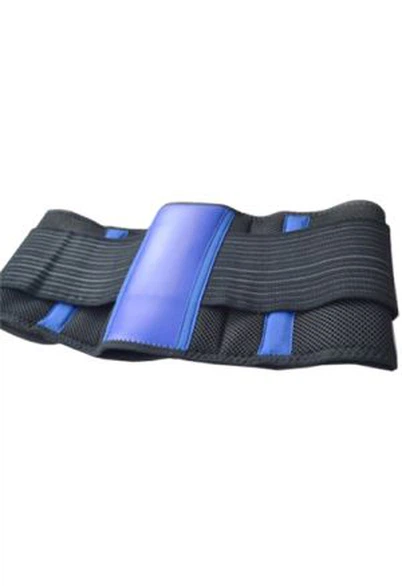
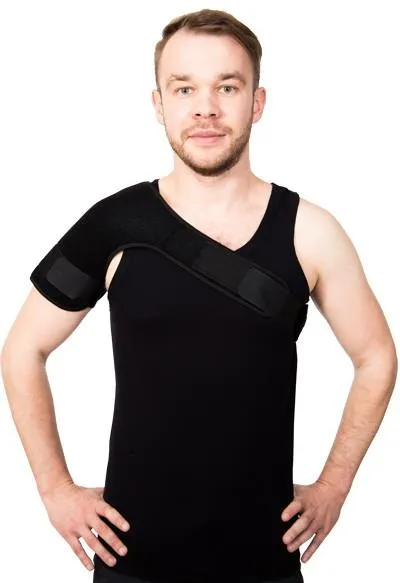
The treatment methods for children's fractures include conservative treatment and surgical treatment, and the treatment method is mainly selected according to the X-ray findings. Since self-correction is possible with all but periarticular fractures, it is usually treated conservatively with manual reduction. Make sure there is no vascular or nerve damage, and use a cast, splint, drape, or other external medical orthopaedic brace for immobilization. Because bones heal easily during the growing period, they will stabilize in about 1 to 2 months. If the deformity or fracture separation persists after reduction, there is no cause for concern if the condition is mild. High self-correction is a characteristic of fractures in children. For fractures around unstable joints and for larger dislocations, hospitalization with continuous traction or percutaneous puncture may be performed.